LEED Certification in Pakistan
One of Pakistan's most experienced LEED and EDGE consultancies, with over a decade of practice and the country's first public-sector LEED Gold building to our credit. SIDEworks delivers sustainable architecture and interior design, LEED and EDGE certification, project and construction management, energy modeling, and commissioning across corporate, commercial, banking, public sector, healthcare, education, residential, hospitality, and industrial projects, within a multi-regional practice spanning South Asia, North America, and the Middle East.
Why LEED Matters in Pakistan
Why LEED Has Moved From Optional to Strategic
LEED Certification is no longer a sustainability badge. For projects in Pakistan, it has become a financial and commercial instrument.
Energy tariffs are rising. Grid supply is uneven. International buyers, lenders, and insurers are pricing sustainability performance into procurement and capital flows. Buildings that perform measurably better, and can prove it through third-party verification, hold their value differently.
What LEED Certification typically delivers for Pakistani projects:
- Lower lifecycle operating costs through verified energy and water reductions
- Asset value protection in markets that increasingly price sustainability premiums
- Supply-chain qualification for manufacturers exporting to ESG-regulated buyers
- Resilience against grid volatility, climate stress, and tightening environmental code
- Access to international financing from institutions including the IFC, World Bank, ADB, and green-aligned commercial lenders
The ground has shifted. ESG-linked finance, scope 3 reporting, and certified building standards are no longer differentiators. For mid-to-large projects with international exposure, they are the floor.
Pakistan Portfolio
A Verified LEED and EDGE Portfolio Across Pakistan
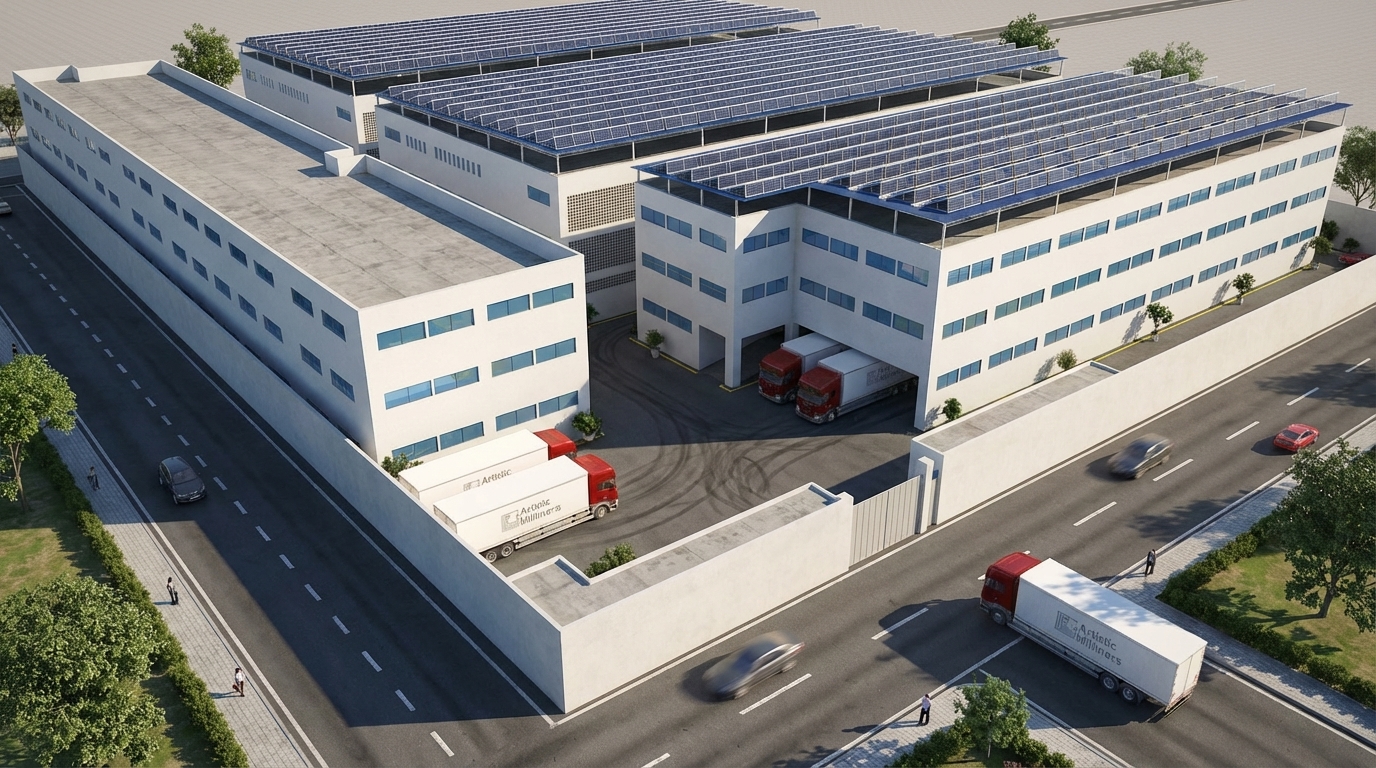
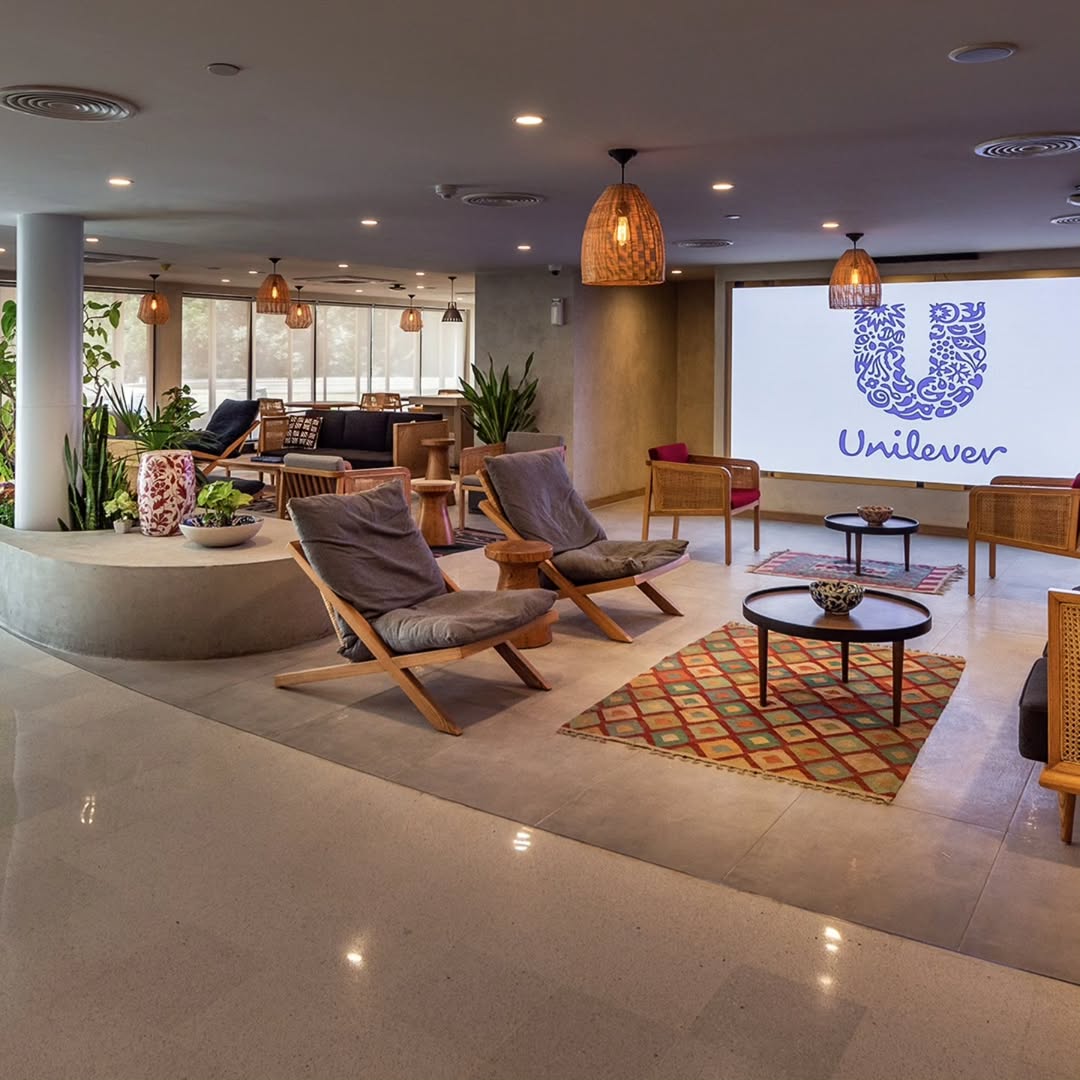
The portfolio below represents projects from our published case studies, with full project counts verifiable through the USGBC project directory. Each project delivered Platinum or Gold certification through GBCI's third-party review.



What We Deliver
End-to-End LEED Delivery, Calibrated to Pakistani Project Conditions
We work as an integrated team across feasibility, design, modeling, documentation, and construction phase support. Six core service areas:
Feasibility and Credit Strategy. Pre-design feasibility, rating system selection, target-level credit mapping, and integrated sustainability strategy aligned to project budget and schedule.
Sustainable Design Integration. Climate-responsive strategies for Pakistan's heat-dominated zones. Passive cooling, envelope optimization, daylighting, and material specification aligned with the latest LEED rating system requirements.
Energy Modeling and Simulation. Whole-building modeling using industry-standard simulation, optimized for Optimize Energy Performance credits and quantified savings against ASHRAE 90.1 baselines.
Documentation and Submission. Full preparation, coordination, and submission through GBCI's online review system, including credit narratives, calculations, and supporting evidence.
Commissioning Support. Coordination with commissioning authorities to verify systems perform as designed. Covers Fundamental Commissioning prerequisites and Enhanced Commissioning credits.
Construction Phase Support. On-site verification of LEED compliance for materials, indoor air quality management, and construction waste diversion.
Why Clients Choose Us
A Track Record That's Verifiable, Not Marketed
USGBC member, LEED Accredited Professionals on staff. Formal credentials, including those required for LEED Innovation credits and project leadership.
Certified projects, listed on the USGBC public database. Our LEED Platinum and LEED Gold projects in Pakistan are verifiable by Project ID, not by claim.
One integrated team, not a documentation handler. Architecture, engineering review, and sustainability strategy operate together. The result is faster credit capture and lower coordination cost than a multi-vendor approach.
International standards, local delivery. We understand the practical conditions of building in Pakistan, supply chain, contractor capability, code interaction, and structure LEED strategies that achieve target levels within feasible project economics.
Frequently Asked Questions
LEED Certification in Pakistan, Common Questions
LEED (Leadership in Energy and Environmental Design) is a green building rating system developed by the U.S. Green Building Council. It provides a verified framework for assessing building performance across energy, water, materials, indoor environmental quality, and site sustainability. Projects earn one of four certification levels, Certified, Silver, Gold, or Platinum, based on points achieved.
Yes. LEED is the most widely recognized green building certification system globally, including in Pakistan. It is administered by the U.S. Green Building Council and verified by Green Business Certification Inc. Certified projects in Pakistan are listed on USGBC's public project database alongside projects worldwide.
The certification timeline runs alongside the construction lifecycle. GBCI's review process is conducted in two stages, design review and construction review, each typically taking several weeks. Total elapsed time from registration to final certification is usually one to three years for new construction, depending on construction schedule.
Total cost includes USGBC registration fees, GBCI review fees, and consultancy fees. The figure varies with project size, certification level targeted, and consultancy scope. For most mid-to-large projects, LEED-related costs represent a small fraction of total project cost and are typically offset by lifetime operating savings within a few years of occupancy.
Effectively all building types. New construction, major renovations, interior fit-outs, existing building operations, and neighborhood developments. Our portfolio spans corporate, commercial, banking and financial, public sector, healthcare, education, residential, hospitality, industrial, and international development projects.
LEED is the U.S. Green Building Council's comprehensive rating system, with broader credit categories and certification levels from Certified through Platinum. EDGE, developed by IFC, is a streamlined certification focused specifically on resource efficiency, energy, water, and embodied energy in materials. LEED tends to suit projects targeting comprehensive sustainability recognition. EDGE often suits projects prioritizing rapid certification of resource performance, particularly in emerging markets. We deliver both.
International buyers in apparel, textiles, and consumer goods increasingly require their suppliers to operate from sustainability-certified facilities as part of ESG and scope 3 emissions reporting. LEED provides verified third-party documentation of facility performance, supporting supplier qualification for major North American and European brands.
Yes. We deliver LEED for Operations and Maintenance (LEED O+M) for existing buildings, in addition to LEED for new construction and interior fit-outs. The full LEED rating system family is available for projects in Pakistan.
Pakistan Within a Wider Practice
One Practice, Multiple Regions
SIDEworks operates from offices in Lahore and Winnipeg, with active delivery across South Asia, North America, and the Middle East. The team, methodology, and standards behind our Pakistan portfolio are the same team, methodology, and standards behind our work elsewhere.
For clients operating across borders, that means a single sustainability partner equipped to deliver consistent certified outcomes across geographies.
Explore our work in other regions → | About SIDEworks →
Sustainable Performance Starts with the Right Partner.
Sustainable architectural design for a new development. LEED or EDGE certification for an existing facility. Technical due diligence for a portfolio acquisition. Full-lifecycle delivery from concept through commissioning. Whatever the scope, SIDEworks delivers with technical precision and verified accountability.
Discuss Your ProjectOr browse our Frequently Asked Questions→